Dubai’s scorching summers are legendary, turning even the shortest drive into an endurance test for both drivers and their vehicles. While you might be focused on keeping the AC blasting, there’s a silent victim under the hood: your car battery. If you’re a car owner in Dubai, a daily commuter, or manage a fleet, you’ve likely experienced the frustration of a battery that gives up too soon, often at the most inconvenient times. It’s not just bad luck; the extreme heat has a profound and often misunderstood impact on battery life.
The Unseen Enemy: How Dubai’s Heat Attacks Your Car Battery
Unlike popular belief, cold weather doesn’t kill car batteries as effectively as extreme heat does. Heat is the ultimate battery killer, silently accelerating its demise. In Dubai’s relentless climate, ambient temperatures often soar past 40°C, and under the hood, temperatures can easily exceed 60-70°C. This intense heat directly impacts the chemical processes within your lead-acid battery.
Internal Corrosion and Evaporation
High temperatures cause the battery’s internal components, particularly the lead plates, to corrode at an accelerated rate. This corrosion diminishes the battery’s capacity to hold a charge. Even more critical, heat causes the electrolyte solution (a mixture of sulfuric acid and water) to evaporate faster. As water levels drop, the remaining acid becomes more concentrated, further speeding up corrosion and damaging the plates. This leads to a gradual but irreversible loss of battery performance.
Accelerated Chemical Reactions
Every chemical reaction doubles in speed for every 10°C increase in temperature. In a car battery, the chemical reactions that generate and store electricity are no exception. While this might sound efficient, it actually means the battery is working harder and aging faster. The faster cycle of charging and discharging, coupled with increased internal resistance from heat, puts immense strain on the battery, significantly shortening its lifespan.
Common Culprits: Why Your Battery Gives Up So Soon
Beyond the inherent effects of heat, several other factors common in Dubai contribute to your car battery’s premature failure. Understanding these can help you take targeted preventive measures.
Short Trips and Frequent Starts
If your daily commute involves numerous short drives, your battery isn’t getting enough time to fully recharge. Starting the engine demands a significant burst of power, and if the alternator doesn’t have ample time to replenish that charge, the battery’s health gradually deteriorates. This is a common issue for urban commuters and those running errands.
Excessive Use of Electronics
Modern cars are packed with electronics – powerful AC systems, infotainment, charging ports, and advanced safety features. While convenient, these draw considerable power. Using them extensively, especially when the engine isn’t running or during short trips, can put an excessive load on the battery, draining it faster than the charging system can compensate.
Faulty Charging System
It’s not always the battery’s fault. A malfunctioning alternator, responsible for charging the battery while the engine runs, can lead to a chronically undercharged battery. Similarly, a faulty voltage regulator can either overcharge or undercharge the battery, both of which are detrimental to its lifespan. Regular checks of your car’s electrical system are crucial.
Parasitic Drains
Even when your car is off, certain components (like the clock, alarm system, or infotainment memory) draw a small amount of power. This is normal. However, if a component is faulty or improperly installed, it can create an excessive “parasitic drain,” slowly but steadily depleting your battery’s charge, especially if the car is parked for extended periods.
Old Age and Wear
No battery lasts forever. Even under ideal conditions, car batteries typically have a lifespan of 3-5 years. In Dubai’s harsh climate, this lifespan is often significantly reduced, sometimes to as little as 1.5-2 years for conventional batteries. As batteries age, their ability to hold a charge diminishes due to sulfation and shedding of active material.
Proactive Measures: Extending Your Car Battery’s Life in the UAE Heat
While you can’t change Dubai’s climate, you can adopt habits and maintenance routines that significantly extend your car battery’s life and prevent unexpected breakdowns.
Regular Battery Check-ups
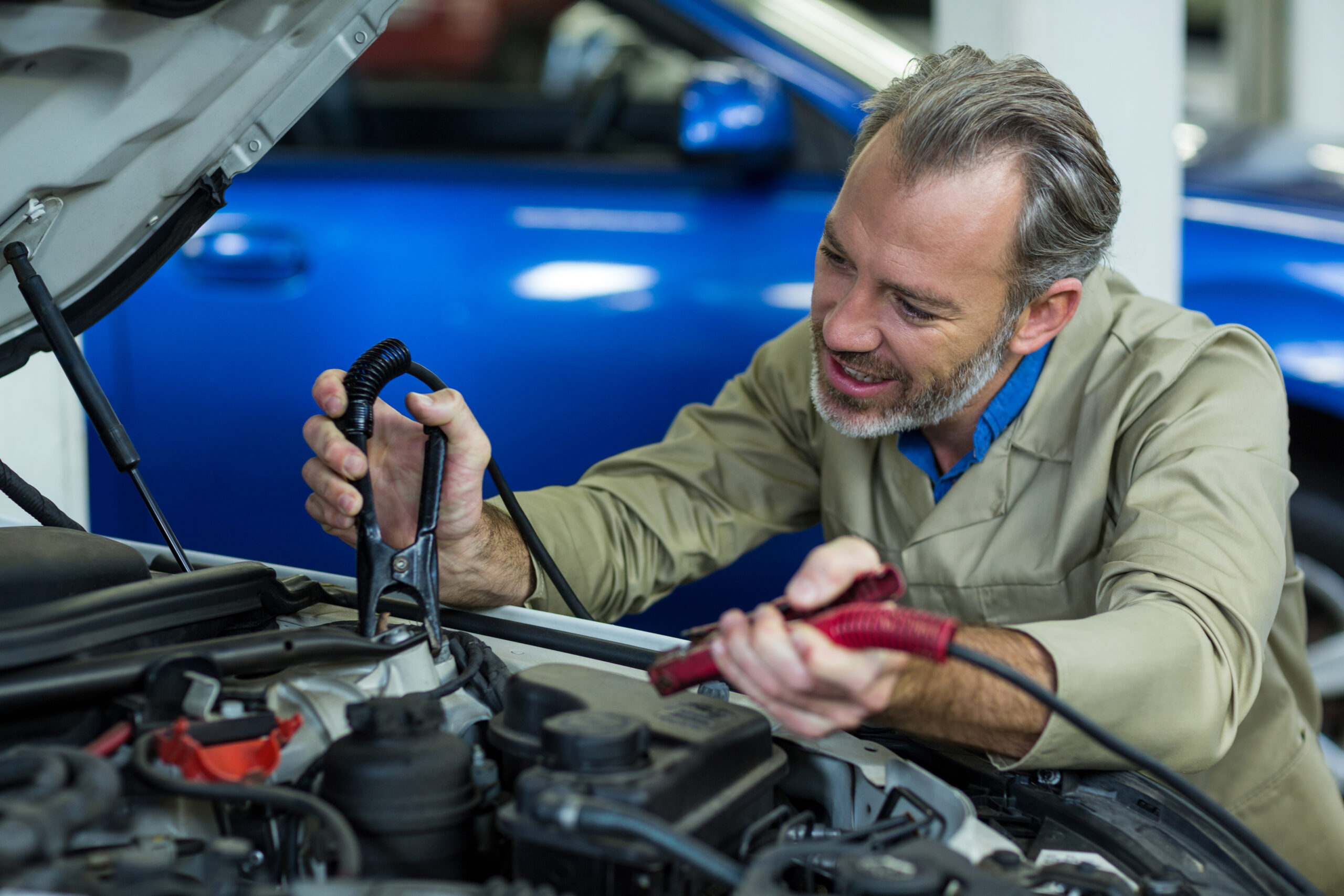
This is perhaps the most critical step. Schedule regular professional battery inspections, especially before and during the summer months. Technicians can check the battery’s voltage, cold-cranking amps (CCA), and electrolyte levels (for serviceable batteries), and clean terminals. Many service centers in Dubai offer free battery health checks.
Keep it Clean and Tight
Corrosion around battery terminals is a common issue that impedes proper charging and power delivery. Regularly inspect the terminals for white or greenish deposits. Clean them with a wire brush and a baking soda solution, then apply dielectric grease to prevent future corrosion. Ensure terminals are tightly secured.
Drive Smart
If your routine involves many short trips, try to combine errands to allow for longer drives (at least 20-30 minutes) to fully recharge the battery. If you frequently park for extended periods, consider using a trickle charger or battery maintainer to keep the charge topped up.
Park in the Shade
This simple habit can make a significant difference. Parking in shaded areas, using a sun visor, or even parking in covered parking structures whenever possible can drastically reduce the under-hood temperatures, thereby slowing down the battery’s degradation.
Consider a Heat Shield
Some car owners in extreme climates opt for battery heat shields or wraps. These insulators help protect the battery from the intense engine bay heat, providing an extra layer of protection against thermal stress.
When to Seek Professional Help: Don’t Wait for a Breakdown
Ignoring the signs of a weakening battery in Dubai is a recipe for being stranded. Prompt action can save you time, money, and hassle.
Signs of a Weakening Battery
Look out for dim headlights, slow engine cranking, flickering dashboard lights, or the battery warning light illuminating. If your car struggles to start, especially on a hot day, it’s a clear indicator that your battery is nearing its end. A swollen battery case can also indicate internal damage due to heat.
The Importance of Expert Diagnosis
A professional mechanic can perform a load test on your battery, which accurately assesses its ability to hold and deliver charge under demanding conditions. This test provides a much clearer picture of battery health than a simple voltage check. They can also diagnose issues with your alternator or identify parasitic drains.
Battery Replacement Considerations
When it’s time for a replacement, choose a battery designed for high-heat environments. Opt for maintenance-free, sealed batteries or those with higher cold-cranking amp (CCA) ratings, as these tend to be more robust. Always ensure the new battery is correctly installed and the charging system is checked post-installation.
By understanding the unique challenges Dubai’s heat poses to your car battery and taking proactive steps, you can significantly extend its life, ensuring reliable performance and preventing inconvenient breakdowns during the scorching UAE summers. Prioritize regular check-ups and mindful driving to keep your vehicle running smoothly.
For expert battery diagnostics, preventive maintenance, and reliable car care in Dubai, trust Greenway Auto Garage to keep your vehicle in peak condition all year round. Whether you need a battery health check,
replacement, or complete vehicle inspection, their experienced team is ready to help.
Call/WhatsApp: +971 50 468 9607 | +971 56 704 1900
Email: info@greenwayautogarage.com
Website: greenwayautogarage.com