
The Ultimate Summer Cooling System Checklist for Dubai Drivers: Beat the Heat and Avoid Breakdowns
Dubai’s summers are legendary for their intense heat, pushing both people and vehicles to their limits. For car owners, daily commuters, ride-hailing drivers, and even fleet operators, a reliable cooling system isn’t a luxury—it’s a necessity. Ignoring your car’s cooling system in these extreme conditions can lead to costly breakdowns, inconvenient delays, and even dangerous situations on the road. This guide provides a crucial checklist to ensure your vehicle remains a cool sanctuary, even when temperatures soar.
Why Your Car’s Cooling System is Critical in Dubai’s Summer Heat
Understanding Dubai’s Extreme Summer Conditions
With daily temperatures often exceeding 45°C, and road surfaces reaching even higher, your car’s engine and air conditioning system are under immense stress. This isn’t just about comfort; it’s about your vehicle’s longevity and performance. Components wear out faster, fluids degrade quicker, and the risk of overheating becomes a constant threat.
The Dangers of Overheating
An overheating engine can lead to severe damage, including warped cylinder heads, blown head gaskets, and even a completely seized engine—repairs that can cost a fortune. Similarly, a failing AC system not only makes your journey unbearable but can also be a symptom of broader cooling system issues that need immediate attention.
Your Essential Summer Cooling System Checklist
1. Check Your Coolant Levels and Quality
Your engine coolant (antifreeze) is the lifeblood of your cooling system. It dissipates heat from the engine. In Dubai, it’s crucial to ensure levels are optimal and the coolant itself isn’t old or diluted. Low coolant levels are a common cause of overheating. Check the reservoir when the engine is cool. If it’s low, top it up with the manufacturer-recommended coolant type. Look for any discoloration or debris, which could indicate contamination or internal issues.
2. Inspect Radiator Hoses and Belts
Rubber hoses and belts degrade over time, especially in high heat. Look for cracks, bulges, leaks, or softness in radiator and heater hoses. A burst hose means instant overheating. Similarly, check the serpentine belt for fraying, cracking, or excessive wear. This belt drives your water pump and AC compressor, both vital for cooling.
3. Radiator and Condenser Coil Cleanliness
The radiator and AC condenser, located at the front of your vehicle, need unobstructed airflow to dissipate heat. Dust, sand, insects, and road debris can accumulate, blocking fins and reducing efficiency. Gently clean them with a soft brush and low-pressure water. Be careful not to bend the delicate fins.
4. AC System Health: More Than Just Cold Air
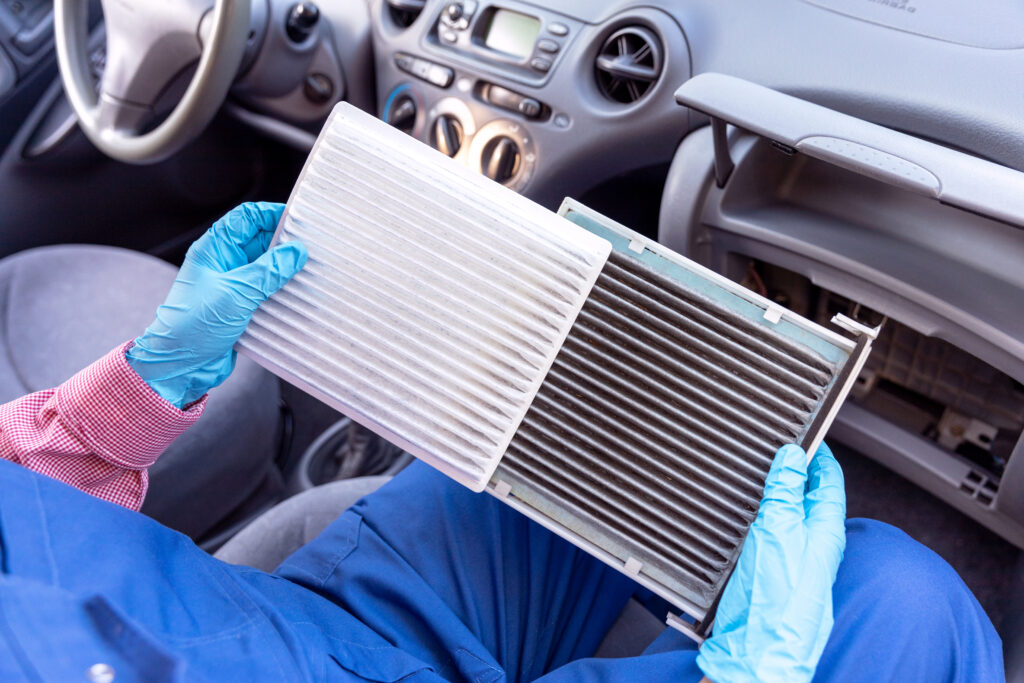
While a cold blast is a good sign, ensure your AC system is working optimally. Weak airflow, strange noises, or a less-than-chilly output could signal low refrigerant, a failing compressor, or a clogged cabin filter. A healthy AC system not only keeps you comfortable but also puts less strain on the overall engine, as a struggling AC can make the engine work harder.
5. Fan Functionality: The Unsung Hero
Your car has cooling fans (radiator and AC condenser fans) that pull air through the heat exchangers, especially when the vehicle is stationary or moving slowly. Check that these fans activate when your engine heats up or when the AC is running. A non-functioning fan is a direct route to overheating in traffic.
6. Thermostat Check: Maintaining Optimal Temperature
The thermostat regulates engine temperature by controlling coolant flow. A stuck-closed thermostat will prevent coolant from reaching the radiator, causing rapid overheating. A stuck-open thermostat will cause the engine to run too cool, which isn’t as critical but can reduce efficiency. While less of a visual check, symptoms of erratic temperature gauges warrant professional inspection.
7. Regular Service: Your Best Defense
Proactive maintenance is the single most effective way to prevent summer breakdowns. A professional technician can perform a comprehensive cooling system flush, replace old coolant, test system pressure, and identify potential weak points before they become major problems. This is especially vital for expats unfamiliar with Dubai’s extreme conditions and for busy drivers who can’t afford unexpected downtime.
Don’t Wait for Trouble: Proactive Maintenance is Key
Dubai’s intense summer heat shows no mercy. Waiting for your temperature gauge to redline or your AC to fail is a costly gamble. Whether you’re a daily commuter relying on your car, a ride-hailing driver needing consistent uptime, or a fleet owner managing multiple vehicles, preventative care for your cooling system is paramount. By following this checklist, you’re not just maintaining your car; you’re investing in peace of mind, safety, and avoiding significant repair bills.
When to Seek Professional Help
If you notice any of the following, it’s time to call the experts:
- Temperature gauge consistently runs high.
- Sweet smell of coolant, indicating a leak.
- Puddles or drips under your car.
- Steam coming from under the hood.
- AC blowing warm air or struggling to cool.
- Unusual noises from the engine bay.
Mobile Car AC Service: Convenience at Your Doorstep
Don’t let a busy schedule compromise your car’s health. For ultimate convenience, consider our mobile car AC service. We come to you, performing diagnostics, re-gassing, and repairs right at your location, ensuring your comfort is restored with minimal disruption to your day.
Schedule Your Radiator Inspection Today
A thorough radiator inspection can catch problems before they escalate. Protect your engine and ensure a smooth summer ahead. Contact us today to schedule your radiator inspection and let our trusted car care experts ensure your vehicle is summer-ready. We are your dedicated partner in keeping your car in top condition, even in Dubai’s challenging climate.