Signs Your Car Radiator Needs a Flush Before Peak Summer: Avoid Costly Overheating
As the temperatures rise and the days get longer, your car’s cooling system works harder than ever. For many car owners – from daily commuters and busy professionals to families on road trips and fleet operators – a reliable vehicle is paramount. Yet, one of the most overlooked aspects of summer car preparation is the health of your radiator. Especially for those in hot climates or owners of used cars, ignoring the early warning signs can lead to severe engine damage, expensive repairs, and inconvenient breakdowns.
Before peak summer heat puts your engine to the ultimate test, it’s critical to ensure your radiator is in top condition. A timely radiator flush isn’t just maintenance; it’s an investment in your vehicle’s longevity and your peace of mind. But how do you know if your car needs this vital service? Let’s explore the unmistakable signs that indicate your radiator is crying out for a flush.
Why a Radiator Flush is Crucial for Summer Driving Performance
Your car’s radiator is the heart of its cooling system, responsible for dissipating excess heat generated by the engine. It circulates coolant (a mixture of antifreeze and water) through the engine block, absorbing heat, and then releases that heat into the air as the coolant passes through the radiator’s fins. Over time, however, this essential fluid degrades, and contaminants build up.
Old, dirty coolant loses its effectiveness, becoming less efficient at transferring heat. Rust, scale, and other debris can accumulate within the radiator and cooling passages, restricting flow and creating hot spots in the engine. When summer temperatures soar, an compromised cooling system simply can’t keep up, leading to overheating – a precursor to catastrophic engine failure. A radiator flush removes these harmful deposits, replenishes your system with fresh, potent coolant, and restores optimal heat exchange capability.
Key Signs Your Radiator is Crying Out for a Flush
Don’t wait for your temperature gauge to redline on the highway. Being proactive means recognizing these critical indicators:
1. Your Engine is Overheating Frequently
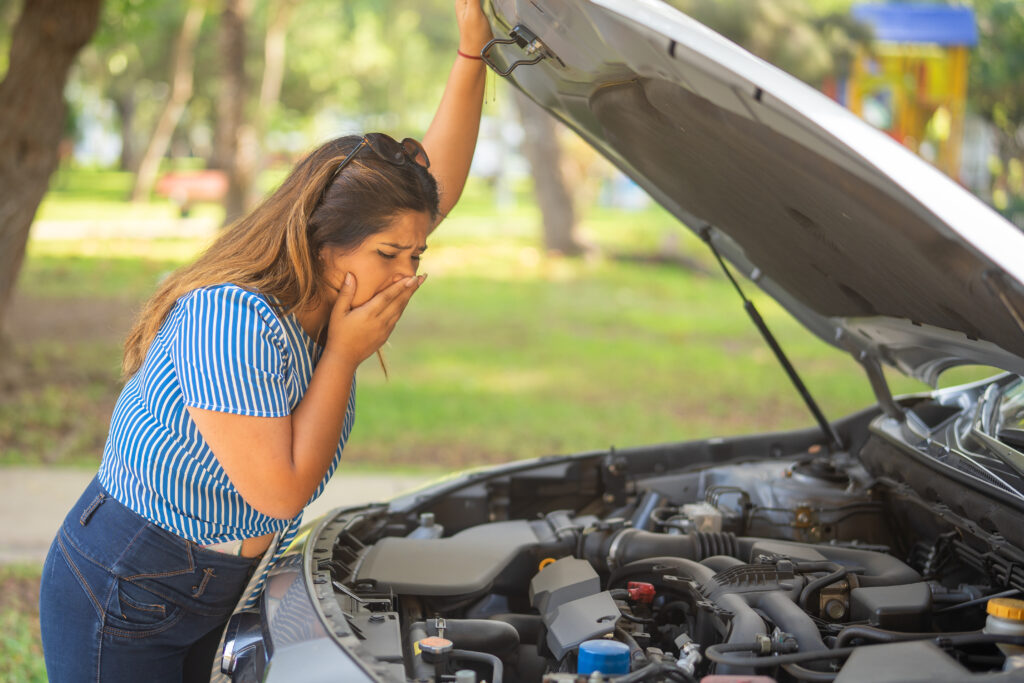
This is arguably the most obvious and alarming sign. If your temperature gauge consistently climbs towards the “H” (Hot) mark, or if you see steam rising from under the hood, your cooling system is struggling. While overheating can have various causes, a clogged or inefficient radiator due to old coolant and debris is a primary culprit. Addressing this quickly with a radiator flush can prevent significant engine damage.
2. Discolored or Sludgy Coolant
Pop your hood and inspect the coolant reservoir (or radiator cap when the engine is cold and safe to open). Healthy coolant is typically brightly colored – green, orange, pink, or blue. If you notice that your coolant looks rusty brown, murky, or has visible particles and sludge floating in it, it’s a clear indication that it’s contaminated and needs immediate attention. This sludge can block passages, reducing cooling efficiency.
3. Low Coolant Levels (Frequent Top-Ups Required)
Are you constantly adding coolant to your reservoir? While a persistent drop in coolant levels often signals a leak somewhere in the system (hoses, radiator itself, water pump), it can also be exacerbated by an inefficient, older system that’s working harder and evaporating more. Before diagnosing leaks, ensuring your coolant is clean and flowing freely is a good first step, as a flush might reveal underlying issues or simply improve the system’s overall health.
4. Visible Leaks Under Your Car
While a flush itself won’t fix a physical leak, recognizing coolant leaks is crucial. If you spot puddles of brightly colored fluid (green, orange, etc.) under the front of your car, it indicates a breach in the cooling system. While a flush cleans the system, it’s essential to identify and repair any leaks first. Sometimes, however, a leak might be a symptom of excessive pressure from a partially clogged system, which a flush could indirectly help alleviate by restoring proper flow and pressure balance (after repairs).
5. Poor Heater Performance in Your Cabin
It might seem counterintuitive, but if your car’s heater isn’t blowing warm air efficiently, it could be related to your cooling system. The heater core uses hot engine coolant to warm the cabin. A blocked radiator or circulation issues due to contaminated coolant can restrict flow to the heater core, impacting its ability to provide heat. This symptom suggests a general lack of coolant circulation efficiency throughout the system, making a flush a relevant consideration.
6. Unusual Noises from the Engine Bay
Listen for bubbling, gurgling, or hissing sounds coming from under the hood, especially after you’ve turned off the engine. These noises can indicate air trapped in the cooling system, boiling coolant due to hot spots, or a struggling water pump working against a partially blocked system. Any unusual sounds related to your cooling system warrant a professional inspection and potentially a radiator flush.
7. Age and Mileage of Your Vehicle
Even without obvious symptoms, your car’s age and mileage are strong indicators for preventive maintenance. Most manufacturers recommend a radiator flush every 30,000 to 50,000 miles or every 2 to 5 years, depending on the coolant type and vehicle. If you own an older or used car, or if your fleet vehicles are constantly on the road, adhering to or even anticipating these intervals is a smart move, especially before the demanding summer months. Neglecting this often leads to issues down the line.
Don’t Wait Until It’s Too Late: The Risks of Neglecting Your Radiator
Postponing a necessary radiator flush can lead to a cascade of problems far more costly than the preventive service itself. An overheating engine can warp cylinder heads, crack engine blocks, blow head gaskets, and damage pistons – all repairs that can easily run into thousands of dollars. Beyond the financial burden, a sudden breakdown due to overheating can leave you stranded, disrupt your daily commute or business operations, and even pose a safety risk, particularly for families and professional drivers.
For fleet owners and busy professionals, downtime means lost revenue and productivity. For families, a summer road trip can quickly turn into a nightmare. Preventive maintenance, specifically a timely radiator flush, is a small investment that guards against these significant risks, ensuring your vehicle runs efficiently and reliably, no matter how high the mercury climbs.
Before the summer heat intensifies and puts your car’s cooling system to the ultimate test, take action. If you recognize any of these signs, or if it’s simply been a while since your last service, now is the time to schedule a professional radiator flush. Protect your engine, ensure smooth summer travels, and avoid costly breakdowns. Don’t wait for overheating issues to escalate—take action now.
Contact Greenway Auto Garage today to schedule your radiator service and drive with confidence this season.
📞 Call/WhatsApp: +971 50 468 9607 / +971 56 704 1900
📧 info@greenwayautogarage.com
🌐 greenwayautogarage.com