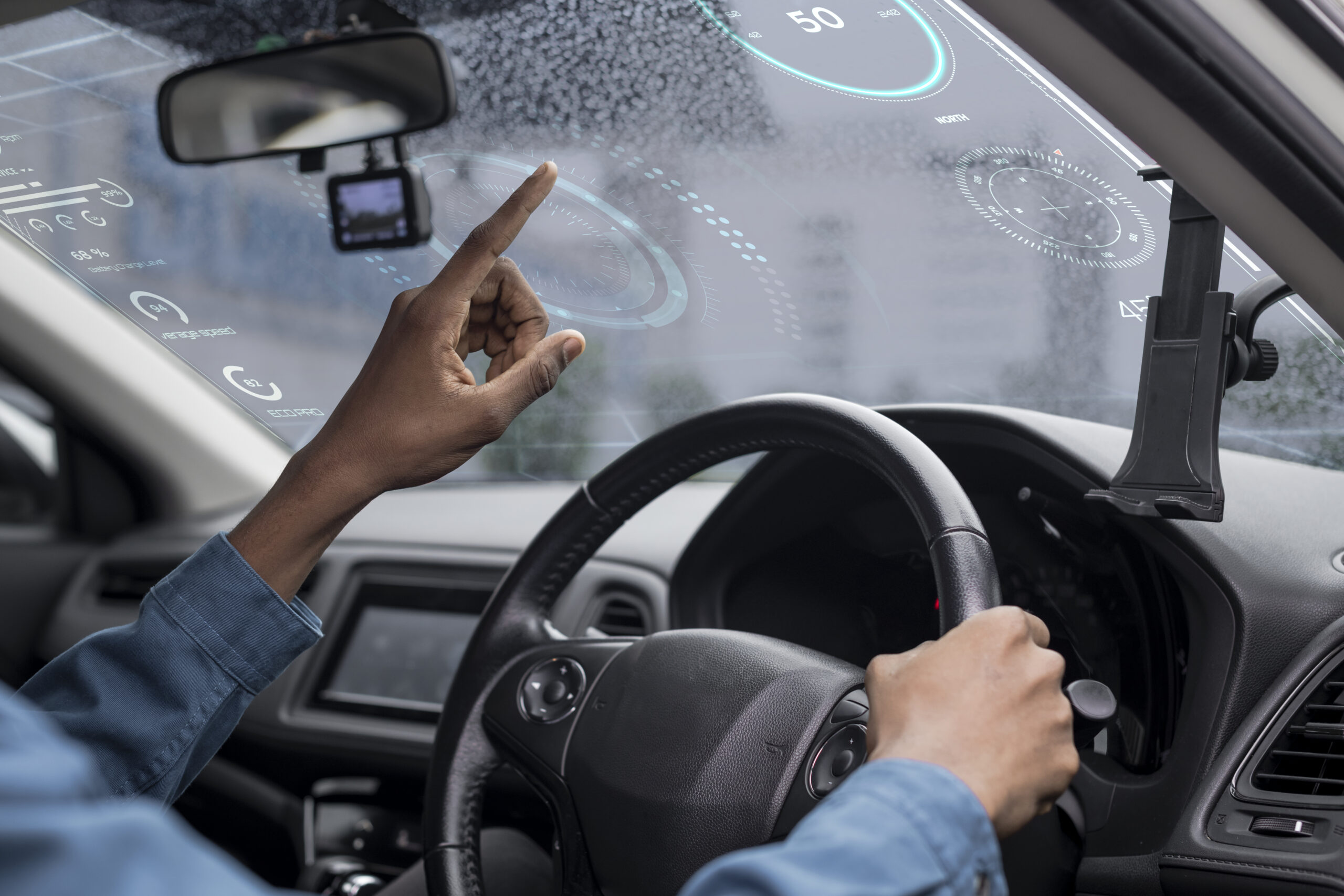
Driving Towards Tomorrow: Top Automotive Technology Trends Reshaping Dubai in 2026
Dubai, a global beacon of innovation and luxury, consistently pioneers advancements across all sectors, and its automotive landscape is no exception. As we accelerate towards 2026, groundbreaking technologies are set to profoundly redefine driving, car ownership, and automotive services within the emirate. For discerning car owners, prospective buyers, and forward-thinking automotive service businesses—from garages to detailing and repair shops—understanding these monumental shifts isn’t merely about staying competitive; it’s about embracing the intelligent future of mobility. Prepare to navigate the cutting-edge trends that will dominate Dubai’s roads and workshops in the coming years.
The Electric Revolution Accelerates: EVs Go Mainstream in Dubai
Electric Vehicles (EVs) are no longer a niche market; they are at the forefront of Dubai’s sustainable transport vision. By 2026, the presence of EVs will have significantly expanded, driven by government incentives, increasing consumer awareness, and a burgeoning charging infrastructure. Car owners and buyers in Dubai will find a wider array of electric options, from luxury sedans to powerful SUVs, all promising a quieter, more efficient, and eco-friendlier driving experience.
Charging Infrastructure and Range Confidence
A key enabler for EV adoption is the robust expansion of Dubai’s charging network. By 2026, expect ubiquitous public charging stations, alongside increased residential and commercial charging solutions. This enhanced accessibility will significantly boost “range confidence” among drivers, making EVs a practical and attractive choice for daily commutes and longer journeys across the UAE.
Luxury EVs and Performance
Dubai’s affinity for luxury and high performance will converge seamlessly with the electric revolution. Premium EV brands are investing heavily in the region, offering vehicles that combine exhilarating acceleration, exquisite interiors, and advanced connectivity. These luxury EVs will set new benchmarks for sophistication and driving pleasure, catering perfectly to Dubai’s elite clientele.
Impact on Automotive Service Businesses
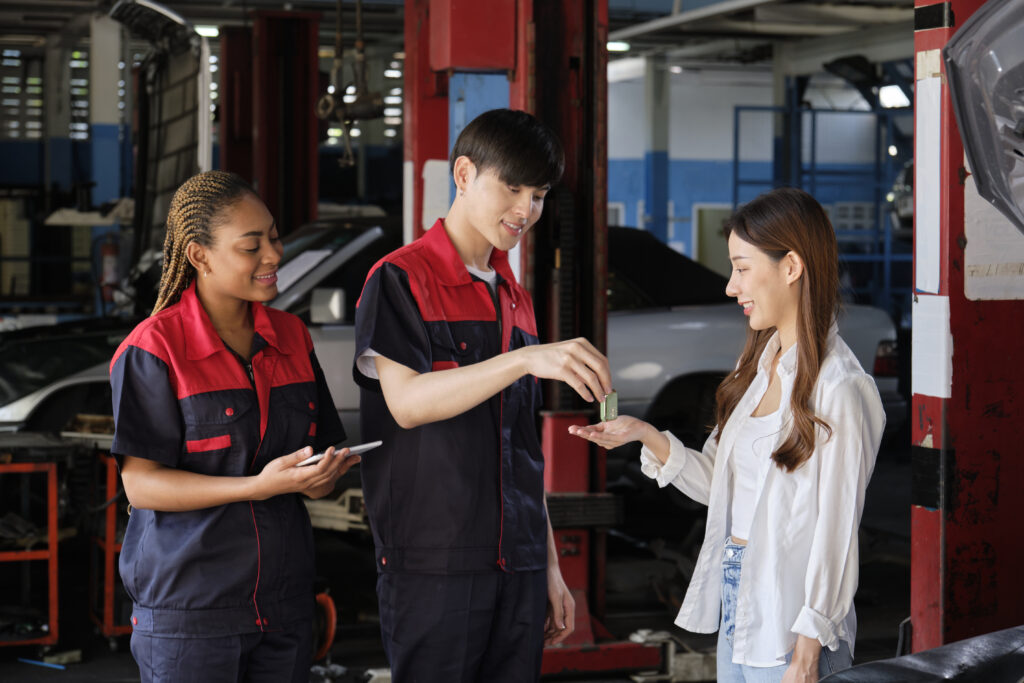
The rise of EVs presents both opportunities and challenges for automotive service businesses. Garages and repair shops in Dubai must adapt by investing in specialized tools, training technicians in high-voltage systems, and offering dedicated EV maintenance and battery diagnostics services. Detailing businesses will also find new avenues, focusing on preserving the sophisticated finishes and advanced interiors of these next-generation vehicles.
Autonomous and Connected Vehicles: Smarter Roads, Smarter Cars
The vision of autonomous mobility is steadily becoming a reality in Dubai. While fully self-driving cars for private ownership might still be a few years away from widespread adoption, advanced driver-assistance systems (ADAS) and vehicle connectivity will reach new heights by 2026, making vehicles safer, more intuitive, and integrated into Dubai’s smart city ecosystem.
Advanced Driver-Assistance Systems (ADAS) Evolution
By 2026, ADAS features like adaptive cruise control, lane-keeping assist, automatic emergency braking, and sophisticated parking aids will be standard across many new vehicles sold in Dubai. These systems leverage an array of sensors, cameras, and radar to enhance driver safety and reduce fatigue, significantly contributing to Dubai’s road safety goals.
Vehicle-to-Everything (V2X) Communication
V2X technology, encompassing Vehicle-to-Vehicle (V2V), Vehicle-to-Infrastructure (V2I), and Vehicle-to-Network (V2N) communication, will enable cars to ‘talk’ to each other and their surroundings. This will facilitate smoother traffic flow, prevent accidents by warning drivers of hazards ahead, and allow for real-time navigation optimization—a crucial factor in Dubai’s bustling urban environment.
AI and Predictive Maintenance for Connected Fleets
Artificial Intelligence (AI) will revolutionize vehicle maintenance. Connected cars will continuously monitor their own health, using AI to predict potential failures before they occur. This predictive maintenance will be invaluable for individual car owners and critical for fleet operators and automotive service businesses in Dubai, allowing for proactive servicing, reduced downtime, and optimized operational costs.
Hyper-Personalization and In-Car Experience
The vehicle interior is transforming into a highly personalized and intelligent space. By 2026, cars in Dubai will offer unprecedented levels of customization and immersive experiences, catering to individual driver and passenger preferences.
AI-Powered Infotainment and User Interfaces
Infotainment systems will evolve into highly intuitive, AI-powered hubs. Voice control, gesture recognition, and augmented reality displays will create seamless interactions. These systems will learn driver preferences, offer personalized media recommendations, and integrate flawlessly with smart home devices, blurring the lines between the car and the connected lifestyle of Dubai’s tech-savvy residents.
Biometric Access and Customization
Imagine your car recognizing you by your fingerprint or facial scan. Biometric access will enhance security and automatically adjust seating positions, mirror settings, climate control, and even preferred music playlists upon entry. This level of personalized setup ensures every drive in Dubai is tailored to perfection.
Over-the-Air (OTA) Updates for Continuous Improvement
Just like smartphones, vehicles will receive regular Over-the-Air (OTA) software updates. These updates will deliver new features, improve performance, enhance security, and even fix issues without the need for a physical visit to a service center. This keeps vehicles in Dubai constantly evolving and up-to-date with the latest advancements, extending their functional lifespan and maintaining their cutting-edge appeal.
Sustainable Automotive Solutions Beyond EVs
While EVs lead the charge, the broader commitment to sustainability in Dubai extends to all facets of the automotive industry. By 2026, innovative materials, alternative fuels, and circular economy practices will gain significant traction.
Green Materials and Manufacturing
Automobile manufacturers are increasingly incorporating sustainable materials into vehicle production, from recycled plastics and bio-based composites to vegan leather alternatives. This focus on eco-friendly materials extends to manufacturing processes, aiming to reduce the overall carbon footprint of vehicle production and consumption in Dubai.
Hydrogen Fuel Cell Advancements in the UAE
Beyond battery electric, hydrogen fuel cell electric vehicles (FCEVs) represent another promising avenue for zero-emission transport. While still in nascent stages for private vehicles, advancements in hydrogen production and infrastructure in the UAE could see FCEVs emerge as a viable option, particularly for commercial fleets and specialized applications, by 2026 and beyond.
Circular Economy Principles in Car Care
Automotive service businesses are shifting toward a smarter, more sustainable future—embracing circular economy practices like advanced recycling, parts refurbishment, and efficient resource use. The result? A high-performance, eco-conscious automotive ecosystem built for tomorrow.
Ready to align your business with the future of mobility?
Connect with us today:
+971 50 468 9607/ +971 56 704 1900
| info@greenwayautogarage.com | greenwayautogarage.com |